Robotic Spider Platform

DepthAI Perception and Cooling Bench

A perception-side bench profile covering DepthAI / OAK-D stereo output testing and the USB-powered cooling fix built after the camera began overheating.

Bench-tested DepthAI OAK-D Perception Thermal Fix USB Cooling Bench Testing
DepthAI Perception and Cooling Bench
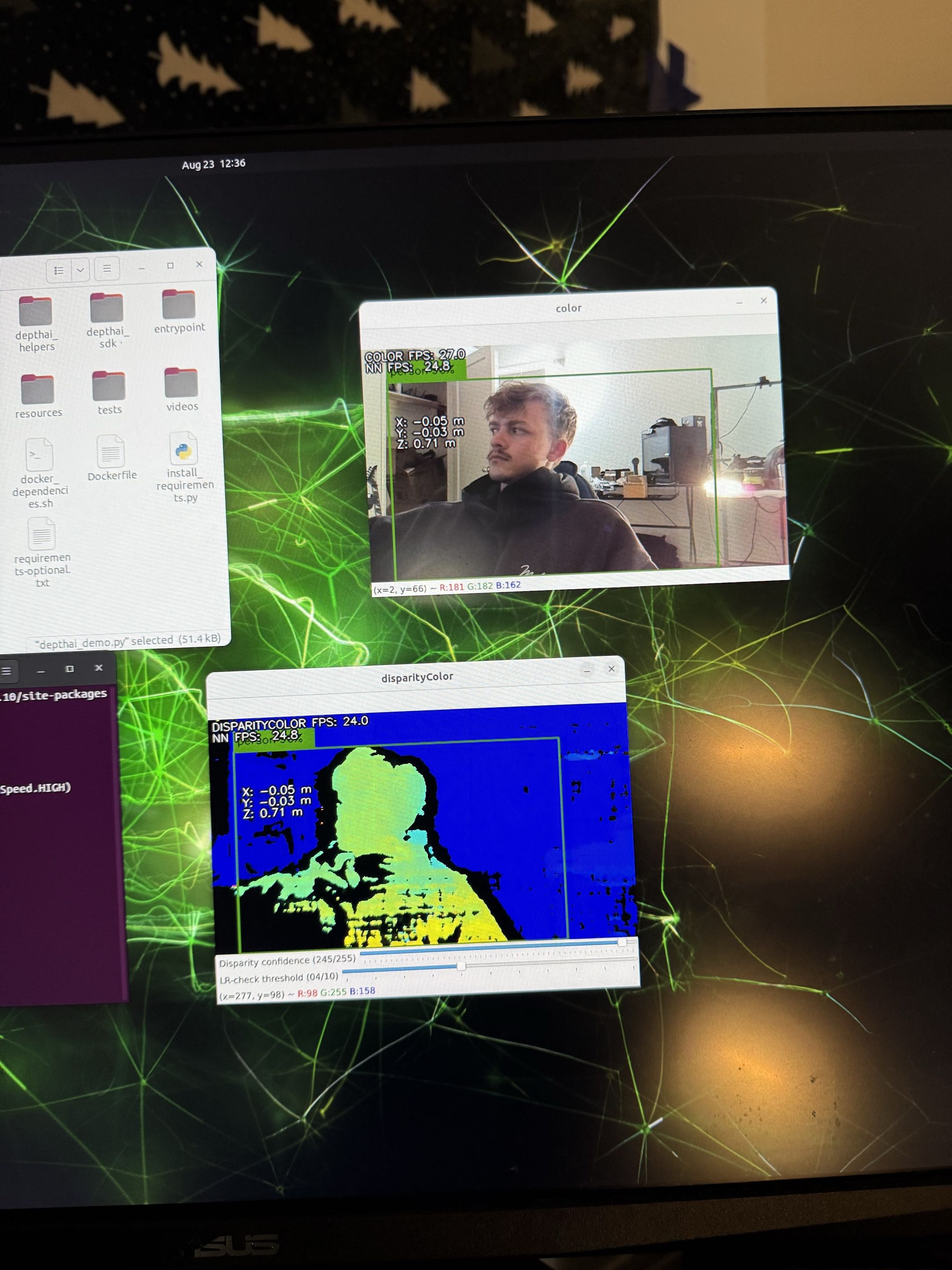
DepthAI stereo/depth tested
OAK-D thermal issue found
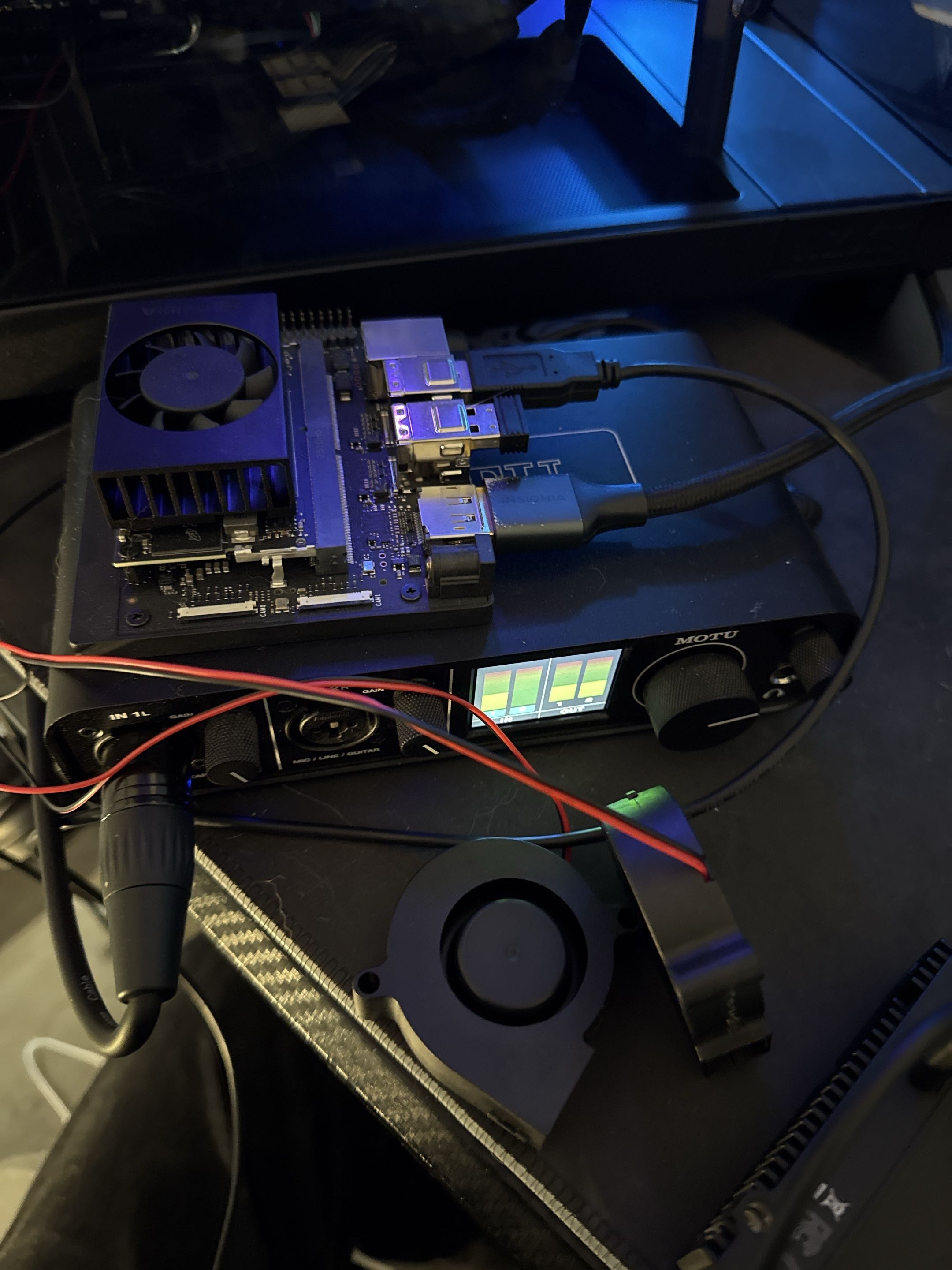
USB fan cooling fix built

Overview

Profile Summary

This profile separates perception and camera thermal work from the mechanical leg prototype. The goal was to test future perception support without mixing it into the actuator documentation.

What I built

I tested DepthAI / OAK-D stereo/depth output as a future perception path for the spider platform. During bench testing, the camera hardware started getting too hot, so I built a USB-powered fan setup as a practical cooling fix.

Why I built it

Perception is part of the long-term autonomy direction, but it does not need to block the mechanical leg work. Separating this into its own profile keeps perception experiments documented without overstating the current robot as autonomous.

System

Core Hardware

Perception hardware OAK-D / DepthAI stereo camera
Thermal mitigation USB-powered cooling fans
Purpose Future autonomy/perception exploration separate from leg hardware

Build process

What I Personally Did

Started perception-side experimentation using DepthAI / OAK-D stereo camera output
Identified heat buildup during camera testing
Built USB-powered cooling fans to manage camera temperature during bench work
Kept perception testing separate from actuator and leg-mechanics validation

Problems I ran into

The camera began getting too hot during perception testing.

Perception experiments can make the project look more complete than it is if they are not clearly separated from the mechanical robot build.

The autonomy stack is future-facing; current mechanical and control systems still need validation before full integration.
What worked

  • • DepthAI testing proved perception experiments could be developed separately from leg hardware.
  • • The USB fan setup handled a real camera heat issue during bench testing.
  • • The subsystem profile keeps perception documentation honest and separate from the actuator prototype.

Remaining work

  • • Proper camera mount on the final platform
  • • Thermal monitoring during longer test sessions
  • • Integration with robot state/control software
  • • Actual autonomy behavior using perception input

Takeaway

What I Learned

The perception work is useful, but it should remain a separate subsystem until the mechanical platform is ready to support it. The cooling issue also showed that even bench-level perception hardware needs thermal planning.

Evidence

Project Evidence

Project photos grouped by build phase so older process documentation and newer standardized photos can coexist without weakening the presentation.

Project Evidence

Project photos showing build process, testing, troubleshooting, and historical context.

DepthAI stereo and depth output test for the robotic spider perception subsystem.

DepthAI perception test

DepthAI stereo/depth output test used to explore future perception capabilities separately from the leg hardware.

Build evidence

USB-powered cooling fans added near the DepthAI camera after overheating during perception testing.

DepthAI camera cooling fix

USB-powered cooling fans built after the DepthAI / OAK-D camera started getting too hot during perception testing.

Build evidence

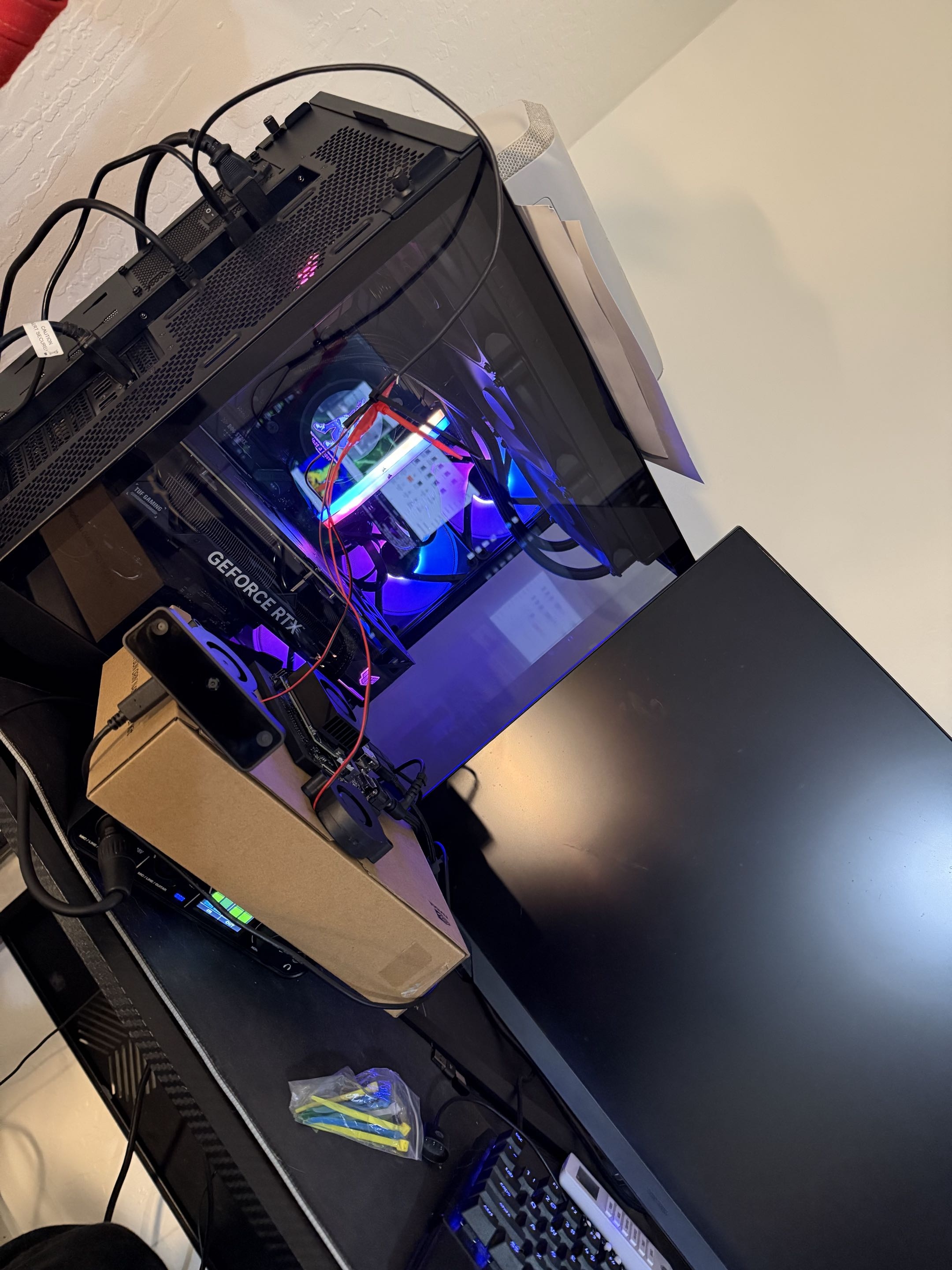
Robotic spider perception and compute bench with camera hardware and supporting electronics.

Perception and compute bench

Bench setup combining camera/perception hardware and compute hardware while exploring the future autonomy stack.

Build evidence

Back to Robotic Spider Platform All work